
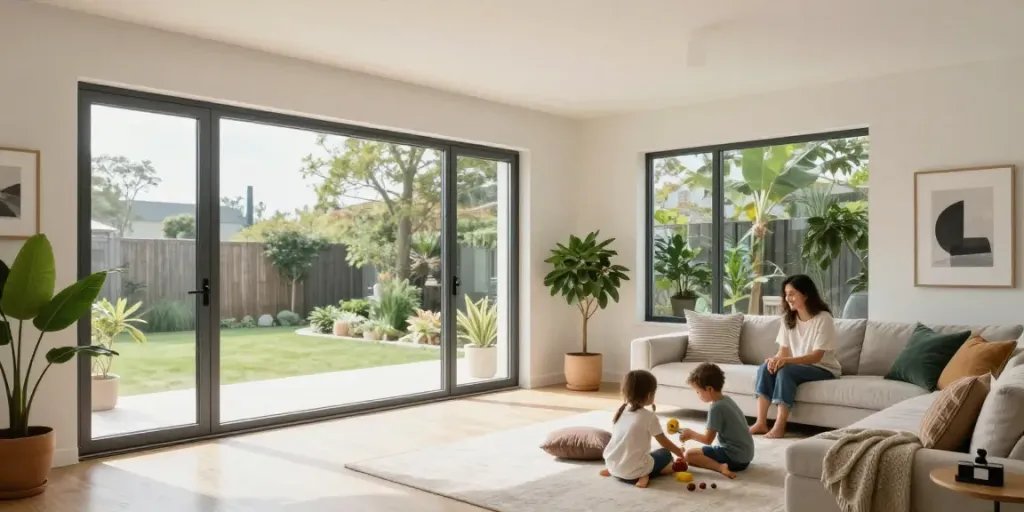
Introduction to Conch uPVC Products
In the ever-evolving landscape of home construction and renovation, Conch uPVC has emerged as a reliable choice for homeowners seeking durable and stylish solutions for windows and doors. Conch upvc stands out in the market with over 15 years of expertise in delivering high-quality products designed to meet both aesthetic and functional needs. With a commitment to excellence, Conch uPVC not only enhances the visual appeal of a home but also offers long-term value through energy efficiency and low maintenance requirements.
What is Conch uPVC?
Conch uPVC refers to a range of window and door products made from unplasticized polyvinyl chloride (uPVC), a material known for its strength, durability, and resistance to environmental factors. Unlike traditional materials such as wood or aluminum, uPVC does not warp, crack, or swell, making it an ideal choice for various climates. The Conch brand has gained recognition for its innovative designs and robust performance, promising homeowners a combination of practicality and style.
History and Development of Conch uPVC
Founded in 2009, Conch UPVC Indonesia has continuously aimed to revolutionize the window and door industry. Starting as a small distributor, the company expanded rapidly due to its commitment to quality and customer satisfaction. Over the years, Conch has invested in advanced manufacturing processes and technology, ensuring that their products remain at the forefront of the industry. This evolution has been marked by a steady increase in demand for sustainable building materials, to which Conch uPVC has adeptly responded.
Key Benefits of Using Conch uPVC for Windows and Doors
Choosing Conch uPVC for your home offers numerous advantages:
- Energy Efficiency: Conch uPVC products are designed with insulation properties that help reduce energy consumption, keeping homes warmer in winter and cooler in summer.
- Durability: These products are engineered to withstand harsh weather conditions without deteriorating, ensuring a long lifespan.
- Low Maintenance: Unlike wooden frames that require regular painting and treatment, uPVC frames need only occasional cleaning to maintain their appearance.
- Noise Reduction: The solid build and insulation characteristics of Conch uPVC help minimize outside noise, contributing to a more peaceful indoor environment.
- Variety in Design: Available in numerous styles and colors, Conch uPVC can complement any architectural design, enhancing the overall aesthetic of a property.
Comparative Analysis: Conch uPVC vs. Traditional Materials
Strengths of Conch uPVC Compared to Wood
When weighing the benefits of Conch uPVC against wooden alternatives, several factors come into play. While wood offers a classic aesthetic appeal, it comes with significant drawbacks such as susceptibility to rot, termites, and constant maintenance. In contrast, Conch uPVC provides a non-porous surface that eliminates the threat of these issues, making it more suitable for environments with high humidity or pest concerns. Moreover, the longevity of uPVC, often lasting over 30 years, outpaces that of wood significantly.
Conch uPVC vs. Aluminum: Which is Better for Your Home?
Aluminum windows and doors are often praised for their strength and sleek look; however, they can struggle with thermal insulation, leading to higher energy costs. Conch uPVC offers superior thermal insulation, which not only improves energy efficiency but also translates to cost savings over time. Additionally, while aluminum can be prone to corrosion, especially in coastal areas, Conch uPVC remains unaffected, ensuring it retains its look and performance without frequent replacements.
Environmental Impact of Conch uPVC Products
The environmental considerations surrounding building materials have become a focal point for many consumers. Conch uPVC is manufactured in an eco-friendly manner and is fully recyclable, aligning with modern sustainable practices. By choosing Conch uPVC products, homeowners contribute to a reduction in the demand for wood and metal, promoting responsible resource use and reducing carbon footprints.
Best Practices for Installing Conch uPVC
Steps for Measuring and Ordering Conch uPVC Products
To ensure that you get the best fit and function from your Conch uPVC windows and doors, it is essential to follow precise measurement steps:
- Measure the width and height of the opening, ensuring to account for any irregularities.
- Subtract a small allowance (approximately 10-15 mm) for proper fitting and expansion.
- Consider the installation type (reveal or face-fix) when placing your order.
- Consult with a professional if you are unsure about measurements, as accuracy is crucial.
Common Mistakes to Avoid in Installation
Even the highest quality products can underperform if not installed correctly. Common pitfalls include:
- Inaccurate Measurements: Always double-check measurements before ordering.
- Ignoring Manufacturer Instructions: Follow specific guidelines provided by Conch to ensure the integrity of the installation.
- Improper Sealing: Ensure that all edges and corners are properly sealed to prevent water infiltration and air leaks.
Hiring Professionals vs. DIY Installation: What You Need to Know
While DIY installation can be an appealing cost-saving option, it is crucial to weigh the risks involved. Professional installers have the expertise to ensure proper fittings and adherence to building codes, potentially saving you from costly repairs in the future. For complex projects or large-scale installations, hiring a professional is often the best route to achieving a flawless finish.
Maintenance and Longevity of Conch uPVC Products
Cleaning and Upkeep Tips for Conch uPVC Windows and Doors
Despite the low maintenance nature of Conch uPVC, regular cleaning is advisable to preserve its appearance and functionality. Here are some useful tips:
- Use a mild detergent and warm water for cleaning; avoid abrasive materials that could scratch the surface.
- Regularly check and clean drainage holes to prevent water buildup.
- Inspect seals and weather stripping for any signs of wear and replace as necessary to ensure insulation efficiency.
Signs Your Conch uPVC Needs Repairs
While Conch uPVC products are designed for longevity, signs of wear can still occur. Pay attention to:
- Visible cracks or warping in the frame.
- Difficulties in opening or closing windows and doors.
- Increased drafts or condensation inside the house.
Extending the Lifespan of Conch uPVC Installations
To maximize the lifespan of your Conch uPVC installations, consider the following practices:
- Conduct annual inspections to identify and address minor issues before they escalate.
- Keep the surrounding areas free of debris that could cause scratches or damage.
- Maintain proper humidity levels in your home to further prevent warping or deterioration.
Future Trends in the Conch uPVC Industry
Innovative Technologies in uPVC Manufacturing
The uPVC industry is witnessing rapid advancements in manufacturing processes, ensuring products are not only more efficient but also produced sustainably. Innovations like automated cutting and welding technologies enhance precision, while the incorporation of smart materials offers possibilities for self-cleaning and enhanced insulation.
Predictions for Market Growth in 2026
With an increased focus on energy efficiency and sustainable building materials, the uPVC market is predicted to see substantial growth in the coming years. Analysts forecast that the demand for Conch uPVC products will rise significantly, driven by eco-conscious consumers and evolving building regulations prioritizing energy-efficient solutions.
Emerging Design Trends in Home Construction with Conch uPVC
As homeowners become more design-savvy, trends are shifting towards sleek, minimalist styles. Conch uPVC products are adapting to these trends by offering customizable designs that integrate seamlessly into modern architecture while maintaining their functional benefits. Expect to see a rise in the popularity of large-format windows that maximize natural light and incorporate smart glass technologies.
What are the advantages of Conch uPVC?
The advantages of Conch uPVC are multifaceted, including enhanced durability, energy efficiency, low maintenance, and a variety of design options that cater to different architectural styles.
How long do Conch uPVC products typically last?
Conch uPVC products are designed to last for several decades, often over 30 years, making them a cost-effective investment for homeowners.
Can Conch uPVC be recycled?
Yes, Conch uPVC is fully recyclable, contributing to a more sustainable building material lifecycle.
What colors are available for Conch uPVC windows and doors?
Conch offers a wide range of colors and finishes, allowing homeowners to choose options that best match their design preferences.
How do I contact Conch uPVC for a custom project?
For custom projects, homeowners can easily contact Conch uPVC through their official website or customer service for tailored solutions and consultations.